Culture & Nature thriving together
Our Pillars
A living model for biocultural regeneration
-
Infrastructure & Regenerative Design
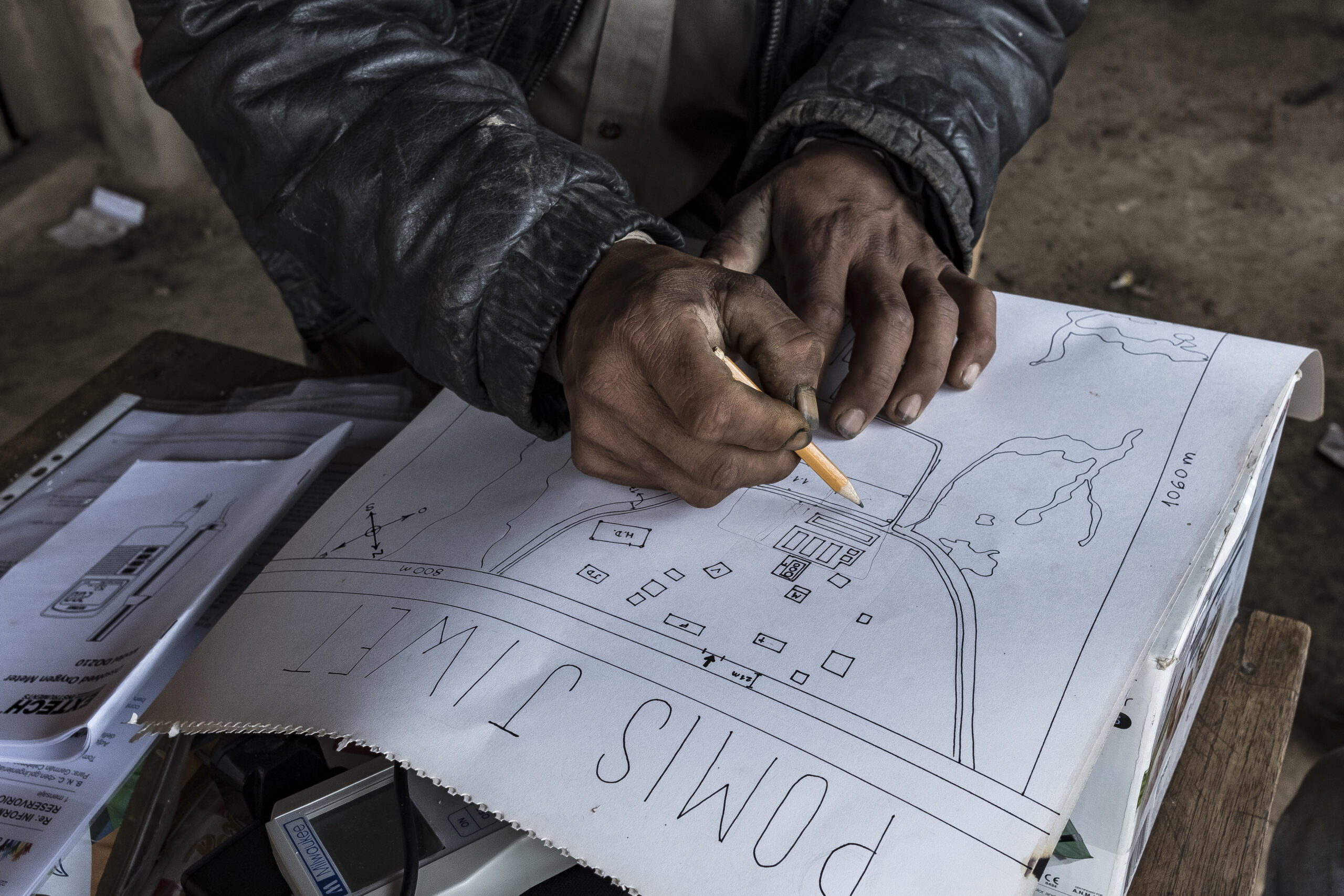
Building the foundations for dignified, resilient life.
Infrastructure is not simply about construction. It is about creating the conditions for communities to live well, organise collectively and thrive on their own land.
We co-design climate-adapted, culturally appropriate and practical solutions with Indigenous leaders, families and technical partners. Each intervention is designed to work with the landscape, strengthen local capacities and support long-term regeneration.
Our work includes:
- Safe water systems, rainwater harvesting, wells and protected storage
- Irrigation networks for gardens, nurseries and agroforestry systems
- Community centres for meetings, learning, health, cultural exchange and collective work
- Bioclimatic housing adapted to local materials, climate and family needs
- Water retention, flood management and landscape restoration systems
- Regenerative territorial planning through LIDAR, aerial mapping and community-led cartography
- Artificial lagoons and reservoirs that support biodiversity, irrigation and food production
- Satellite internet connectivity and shared digital access points for learning, communication and coordination
Every infrastructure project becomes part of a wider living system: water, food, biodiversity, housing, education and community organisation working together.
-
Indigenous Tree Nursery Network
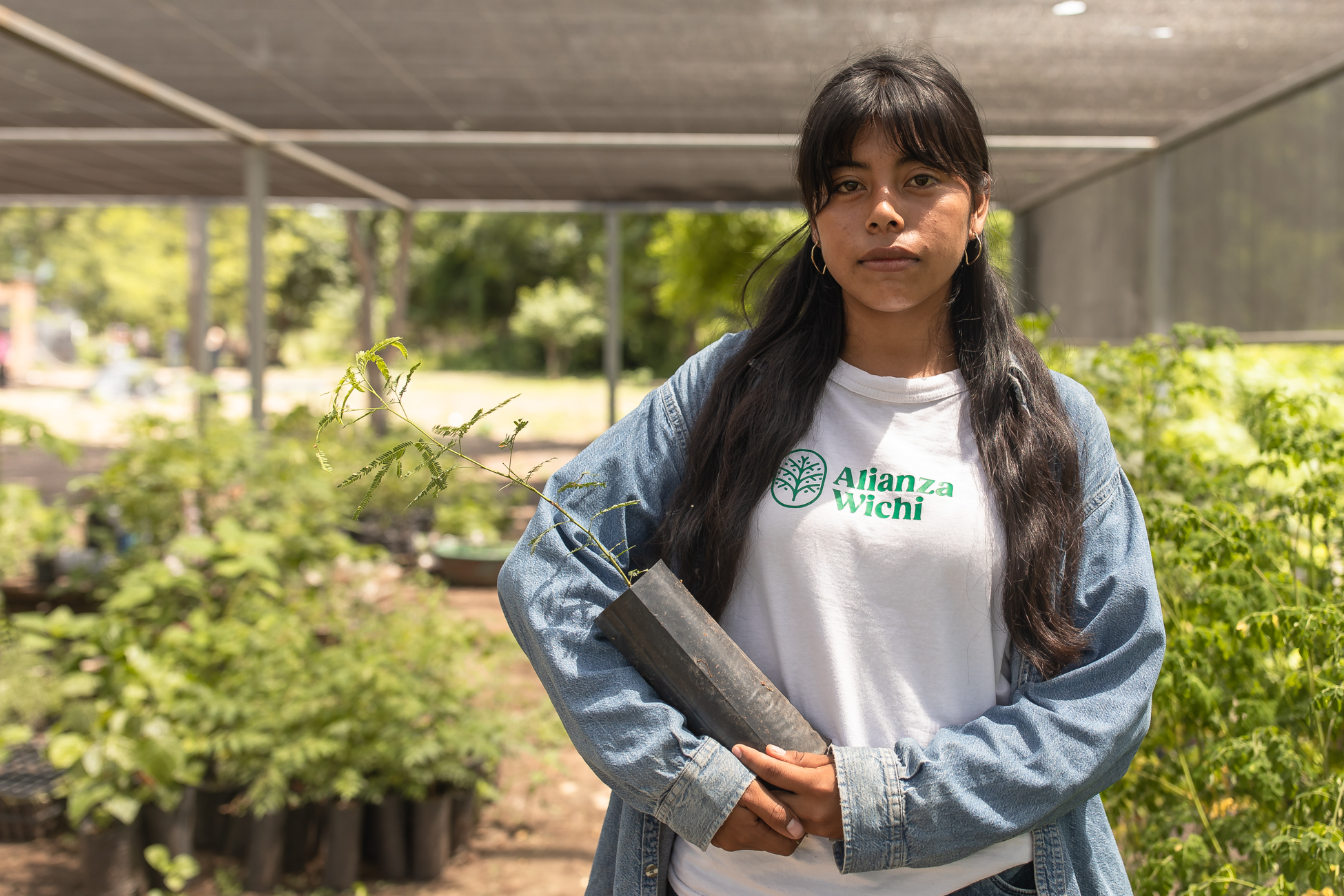
Where regeneration begins
Our community nurseries are living spaces of ecological recovery, cultural transmission and local autonomy.
Together with elders, women and young people, we grow native trees, fruit species, medicinal plants and culturally important species for restoration, agroforestry and community use.
These nurseries allow communities to restore their forests from within their own territories. They reduce dependence on external suppliers, strengthen local skills and create meaningful opportunities for Indigenous youth.
Our nursery network supports:
- Native forest restoration and biodiversity recovery
- Food forests, family gardens and agroforestry systems
- Recovery of endangered and culturally significant species
- Seed collection, propagation and exchange between communities
- Training in tree production, ecological monitoring and nursery management
- Community-led tree production as a source of local income
A nursery is more than a place where trees grow. It is where knowledge, biodiversity and future generations take root.
-
Ecosystem Restoration
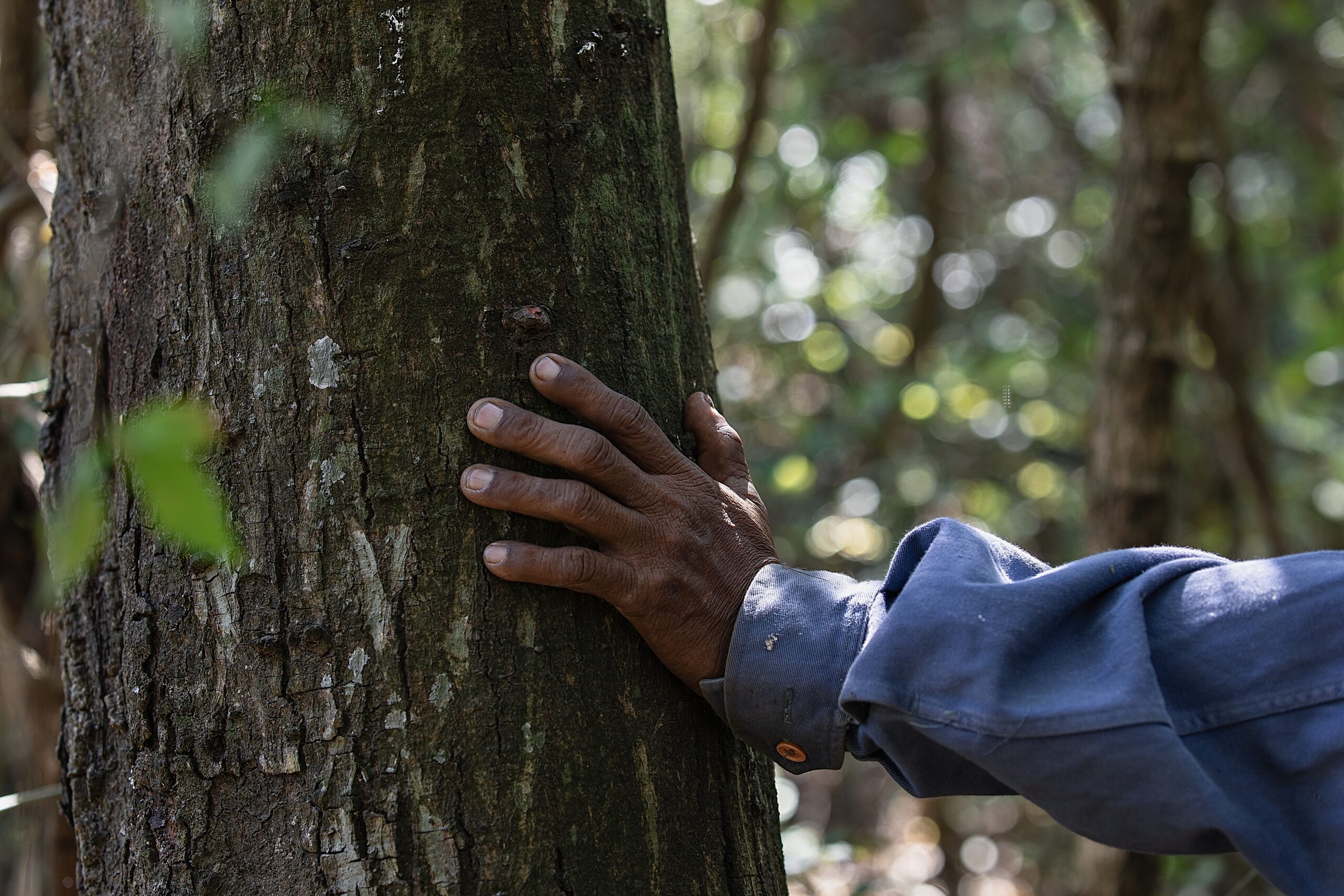
Bringing life back to the Gran Chaco
The Gran Chaco is one of South America’s most threatened forest regions. Deforestation, land degradation and climate pressure are disrupting ecosystems that have sustained Indigenous communities for generations.
Our restoration work combines Indigenous ecological knowledge, applied science and practical regeneration methods to recover degraded landscapes and strengthen the relationship between communities and their territories.
Our actions include:
- Planting native trees, fruit species and medicinal plants
- Restoring degraded forest areas and ecological corridors
- Soil regeneration through organic methods, composting, mulching and erosion control
- Reintroducing species of high ecological, cultural and nutritional value
- Biodiversity monitoring and participatory mapping
- Supporting wildlife habitat recovery and natural forest regeneration
- Developing restoration plans that respond to local water, soil and climate conditions
Healthy forests protect water, regulate climate, sustain food systems, shelter wildlife and preserve cultural and spiritual practices. Restoring the forest means restoring the conditions for life.
-
Food Sovereignty
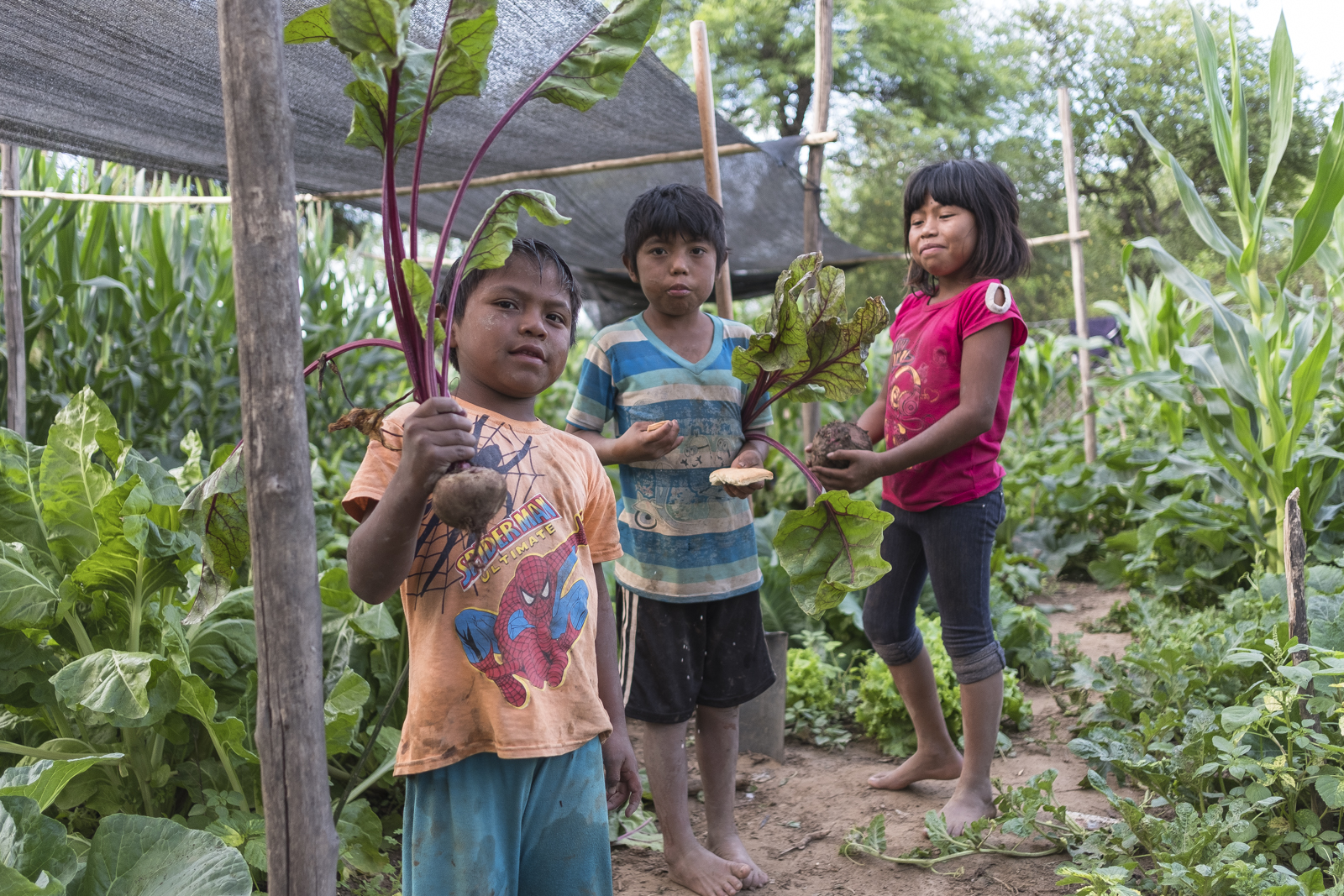
Regenerating food systems from the ground up
Food sovereignty means more than access to food. It means the right of communities to grow, manage and share food in ways that are culturally meaningful, nutritionally rich and ecologically resilient.
We work with Indigenous families to co-design agroecological systems that combine traditional knowledge with regenerative practices. These systems improve nutrition, diversify livelihoods and reduce dependence on external markets.
Our programme includes:
- Agroforestry systems combining trees, crops, medicinal plants and small livestock
- Bio-intensive family gardens and community food gardens
- Native and creole seed recovery, conservation and exchange
- Food forests with fruit trees, shade trees and edible native species
- Beekeeping, pollination and honey production
- Small-scale poultry and goat rearing where appropriate
- Training in composting, biological pest control, soil regeneration and food preservation
- Intergenerational transmission of traditional food knowledge
These systems produce food, shade, medicine, biodiversity and resilience at the same time.
-
Youth Education & Training
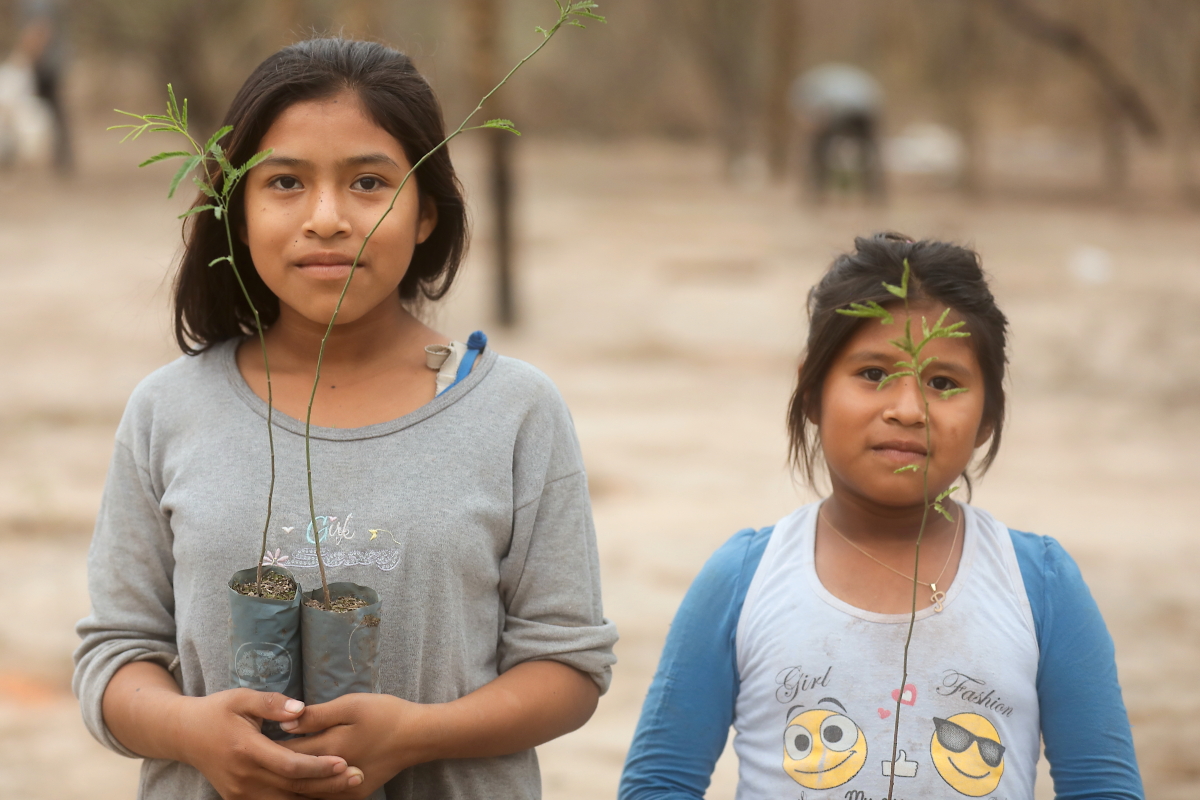
The next generation of territorial leaders
Young Indigenous people are central to the future of the Gran Chaco. Our youth programmes create practical learning pathways that strengthen identity, skills, confidence and opportunities to remain connected to their communities and territories.
We support young people to become future technicians, educators, nursery managers, agroforestry practitioners, community communicators and forest guardians.
Training areas include:
- Native tree production and nursery management
- Agroforestry, gardens and food sovereignty
- Forest restoration and biodiversity monitoring
- Water systems, irrigation and appropriate technologies
- Indigenous ecological knowledge and cultural transmission
- Digital skills, audiovisual storytelling and community communication
- Leadership, teamwork and project management
Our goal is to create meaningful local roles for young people, so that knowledge, opportunity and leadership remain rooted in the territory.
-
Forest Sports League
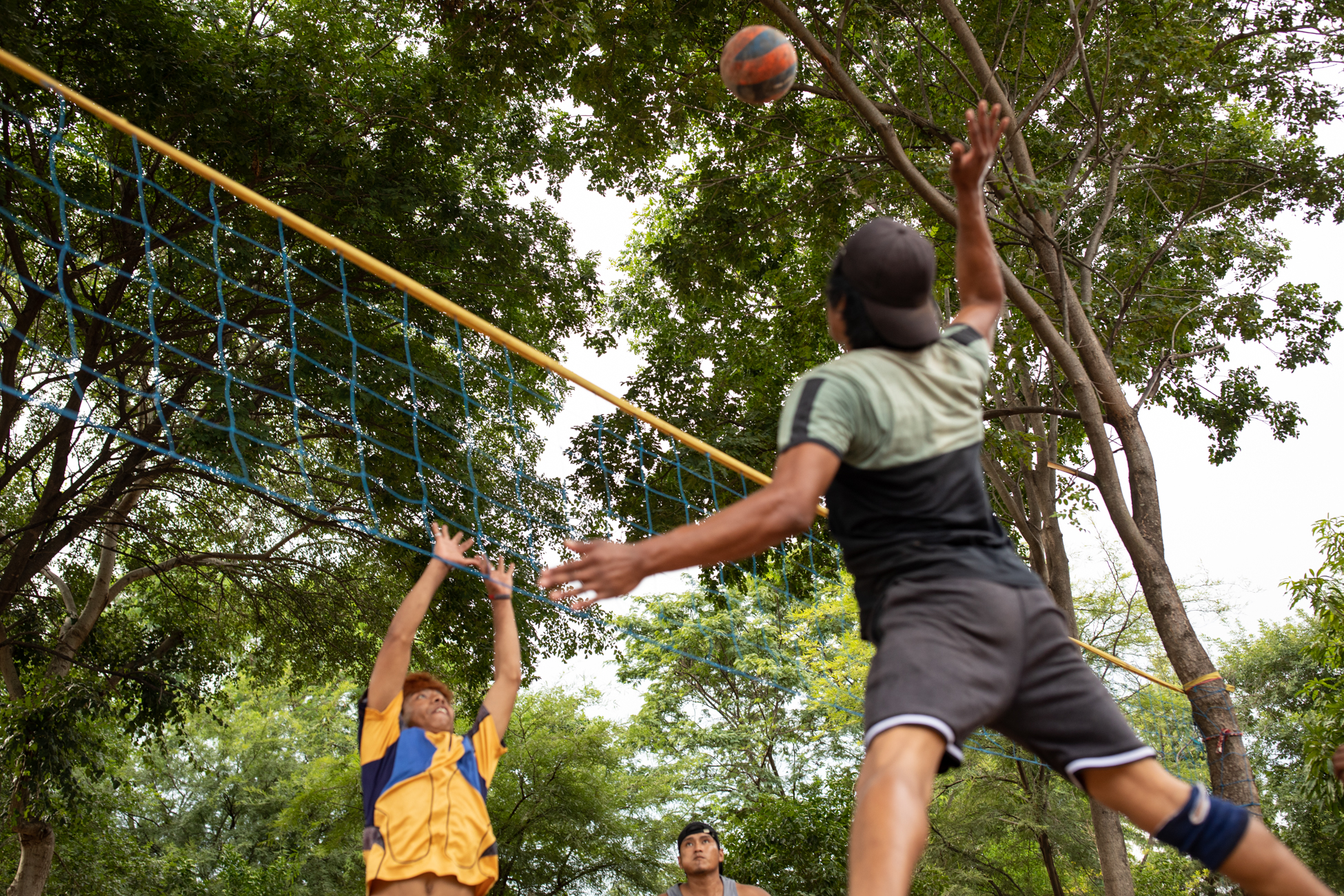
Stronger bodies. Stronger communities.
Sport is a powerful tool for wellbeing, confidence, equality and community connection.
Through volleyball and football, we are building an inter-community Forest Sports League that creates safe spaces for girls, boys and young people to meet, train, play and grow together.
The programme supports:
- Volleyball and football activities across Indigenous communities
- Regular inter-community tournaments and celebrations
- Girls’ participation and leadership in sport
- Youth wellbeing, healthy routines and positive social environments
- Teamwork, discipline, confidence and community pride
- Coaching, equipment and local sports leadership
- Prevention of isolation and risky behaviours through meaningful participation
The Forest Sports League connects young people across territories while strengthening belonging, joy and collective identity.
-
Scientific Research & Ancestral Knowledge
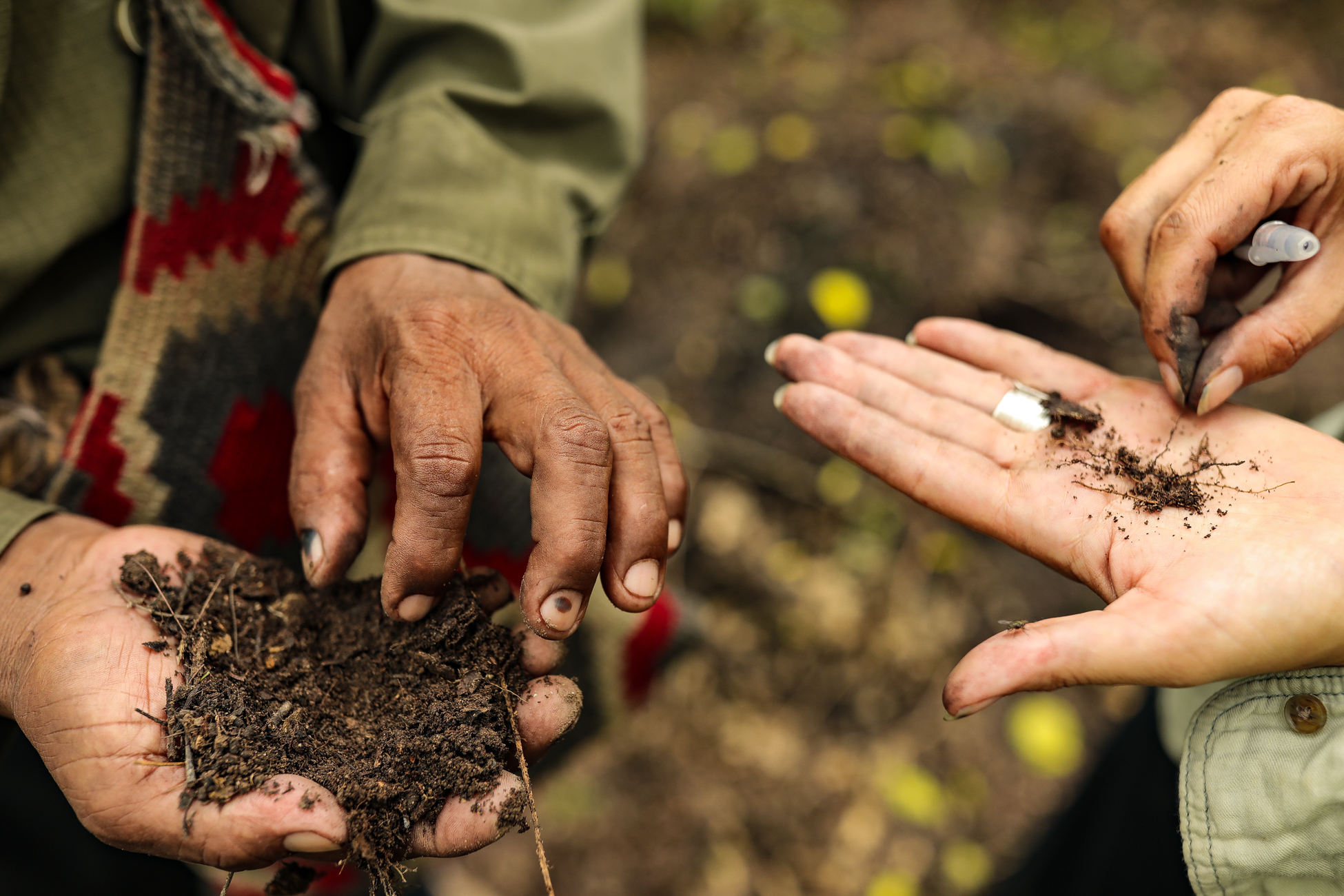
Learning from the forest, with the forest.
The Gran Chaco holds a vast body of ecological knowledge developed over generations. Indigenous communities understand plants, soils, fungi, animals, water cycles and forest indicators through lived experience, observation and cultural practice.
We support collaborative research that brings Indigenous knowledge holders, researchers and technical partners together through respectful, ethical and community-led processes.
Our work includes:
- Ethnobotany and medicinal plant knowledge
- Mycology, fungi and forest regeneration
- Soil health, microbiology and ecological restoration
- Traditional techniques for restoring degraded ecosystems
- Indigenous ecological indicators and biodiversity monitoring
- Food systems, nutrition and intercultural health
- Cultural memory, oral history and environmental knowledge documentation
- Participatory research guided by free, prior and informed consent
This work contributes to the development of a future School of Regeneration: a living learning space where Indigenous wisdom, applied science and practical ecological restoration meet.
The School will support training in agroforestry, native tree production, seed recovery, soil restoration, water management, bioconstruction, biodiversity and regenerative livelihoods.
-
Economic Development
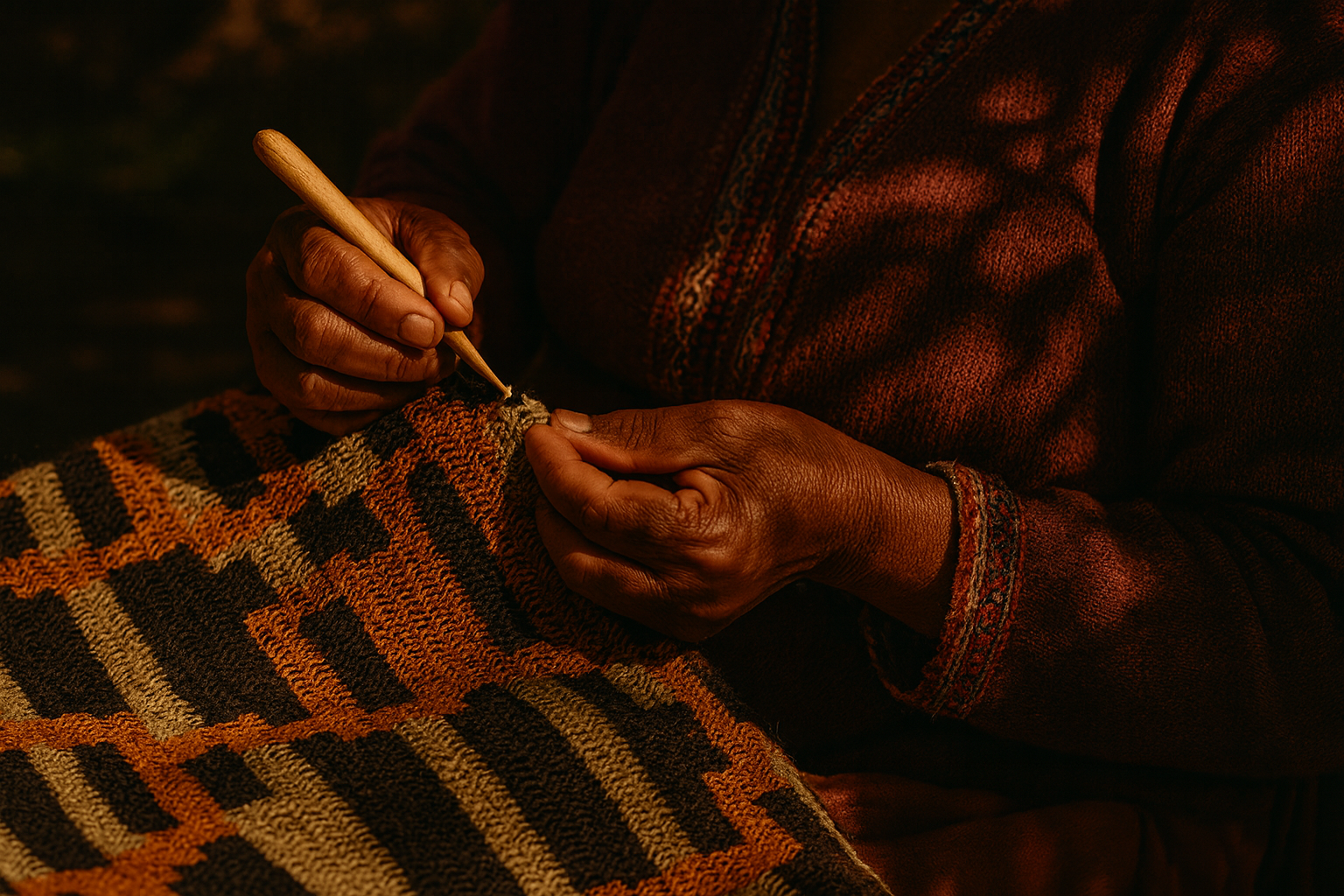
Creating livelihoods rooted in culture, biodiversity and dignity
Sport is a powerful tool for wellbeing, confidence, equality and community connection.
Through volleyball and football, we are building an inter-community Forest Sports League that creates safe spaces for girls, boys and young people to meet, train, play and grow together.
The programme supports:
- Volleyball and football activities across Indigenous communities
- Regular inter-community tournaments and celebrations
- Girls’ participation and leadership in sport
- Youth wellbeing, healthy routines and positive social environments
- Teamwork, discipline, confidence and community pride
- Coaching, equipment and local sports leadership
- Prevention of isolation and risky behaviours through meaningful participation
The Forest Sports League connects young people across territories while strengthening belonging, joy and collective identity.
-
Legal Defence & indigneous Rights
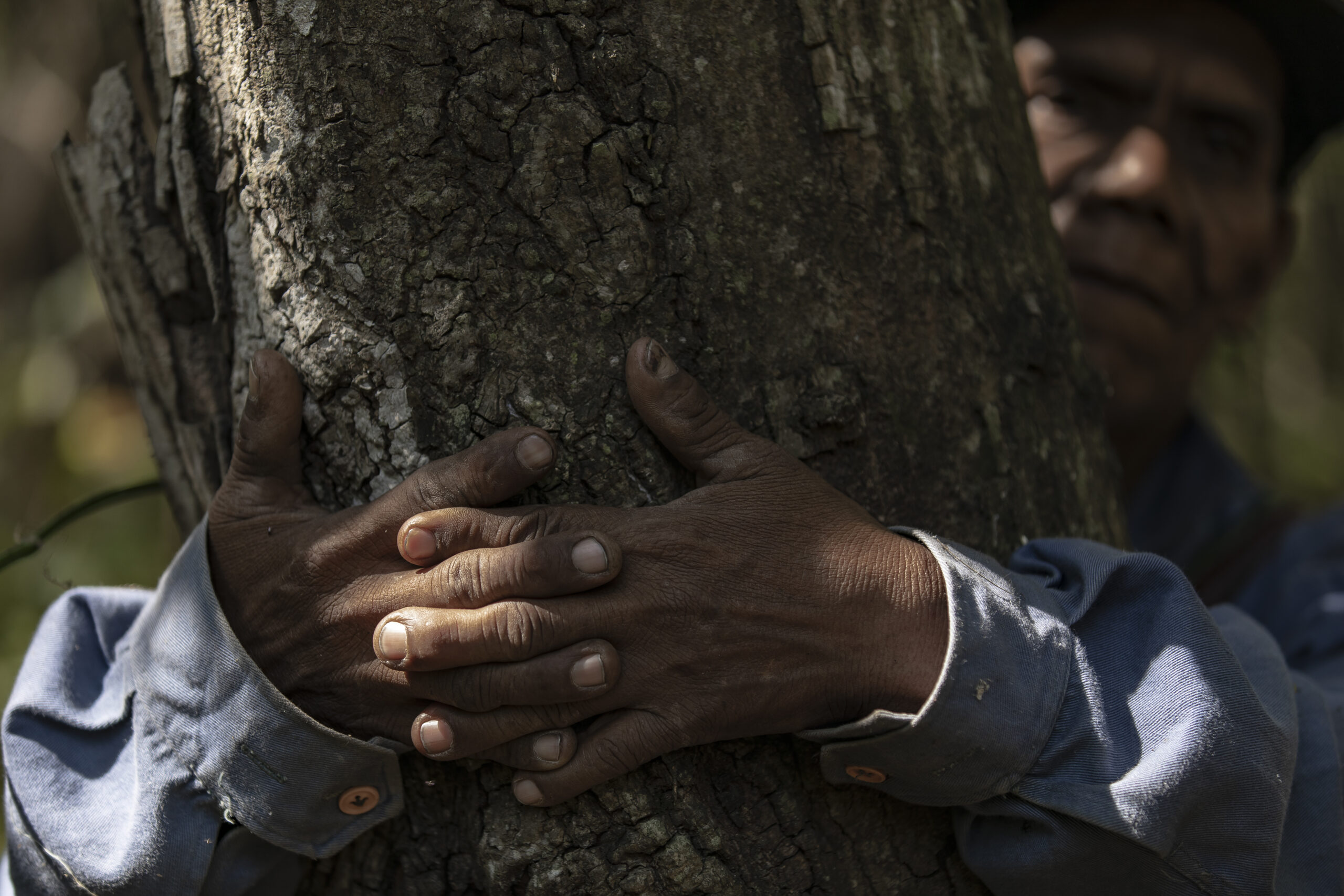
Without territory, there is no forest, culture or future
Land rights are the foundation of Indigenous self-determination. Without secure territory, communities cannot protect forests, develop food systems, safeguard cultural knowledge or build long-term autonomy.
We provide legal and strategic support to Indigenous communities facing deforestation, land grabbing, forced evictions, extractive pressure and barriers to legal recognition.
Our programme includes:
- Support for community legal status and organisational strengthening
- Territorial mapping, cadastral documentation and land-use records
- Legal accompaniment in territorial conflicts and litigation
- Support for collective land titles that are inalienable, indivisible and non-transferable, protecting territories from sale, fragmentation or external appropriation
- Training on Indigenous rights, environmental law and free, prior and informed consent
- Monitoring and documentation of deforestation, encroachment and rights violations
- Advocacy with public institutions, human rights bodies and strategic partners
- Strengthening community capacity to govern and defend their territories
Securing collective land rights protects more than land. It protects forests, biodiversity, food systems, culture, memory and the right of future generations to remain on their territories.